PLI Urges Ban on Lottery Betting in Ireland
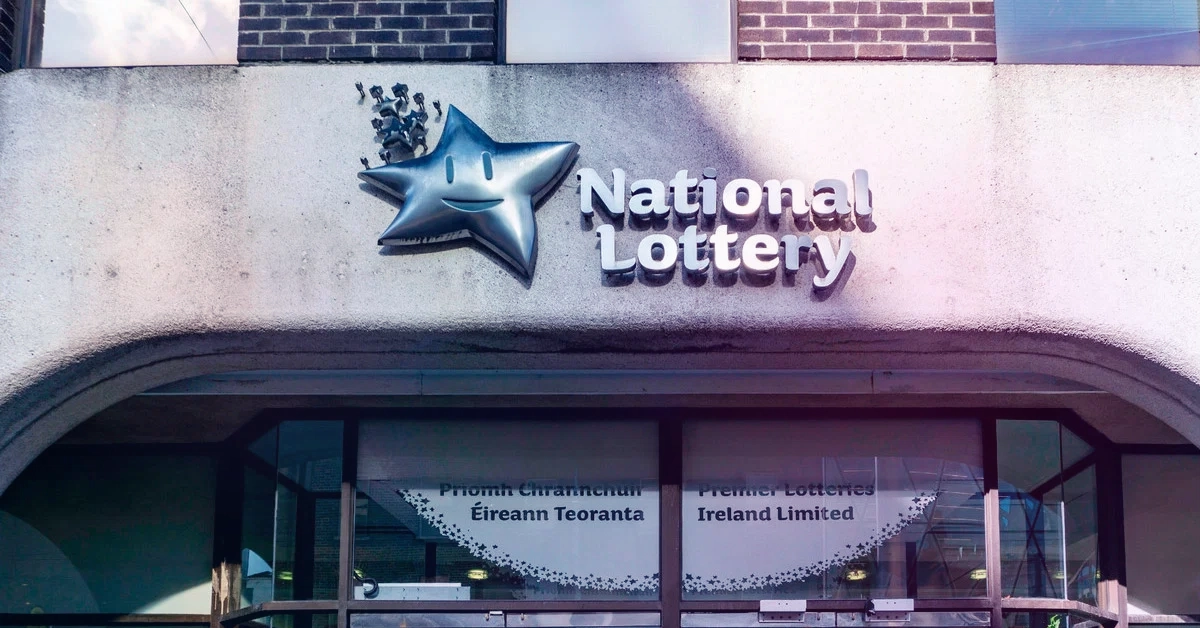
Premier Lotteries Ireland (PLI) has raised concerns over licensed bookmakers offering wagers on lottery draws, arguing that the practice may conflict with the regulatory framework governing the Irish National Lottery. The operator, owned by FDJ United, is calling on the government to prohibit such activity, stating it diverts revenue away from the lottery.
In its “Socio-Economic Impact Assessment of the National Lottery,” submitted to the Department of Public Expenditure and Reform, PLI outlined the financial impact of lottery betting. The report estimates that wagers placed through bookmakers resulted in €289 million in lost lottery sales during 2024.
The issue comes amid broader regulatory developments following the introduction of the Gambling Regulation Act, which established the Gambling Regulatory Authority of Ireland (GRAI) to oversee the sector.
Cian Murphy, Chief Executive Officer of the National Lottery, stated that the lottery provides a regulated and accessible way for participants to play while contributing to public funding and employment across communities.
PLI’s analysis also focused on the impact on charitable contributions, a central component of the National Lottery’s operations. According to the report, prepared by Indecon International Economic and Strategic Consultants, lottery betting reduced funding for good causes by approximately €81 million in 2024. Based on an estimated 28% contribution rate from total sales, the figure reflects the effect of reduced lottery revenue.
Beyond direct financial implications, PLI highlighted wider economic effects. The company estimated that retailers lost around €12 million in commission linked to declining lottery sales, while also suggesting that over 1,200 jobs were no longer supported as a result of lottery betting activity. It further projected a €5 million reduction in government tax receipts tied to these changes.
Tara Buckley, Director General of the Retail Grocery Dairy and Allied Trades Association, noted the importance of lottery funding for local organisations, many of which rely on volunteer support.
PLI’s position aligns with regulatory approaches in other jurisdictions. According to the report, most European markets distinguish between lottery products and betting services. For example, bookmakers in the United Kingdom are not permitted to offer bets on domestic lottery draws, although they can provide betting options on foreign lotteries, including Irish and Spanish draws, through operators such as Paddy Power, Betfred and Coral.
Any move to restrict lottery betting could face opposition from bookmakers, particularly as the retail betting sector continues to encounter challenges, including declining in-store activity and broader market pressures.

iGamist Editorial Team
An experienced writer covering the latest trends in online gaming and iGaming industry.
Stay Updated
Get the latest iGaming news and guides delivered to your inbox