Turkey Blocks ₺5B in Illegal Betting Funds in 2025 Crackdown

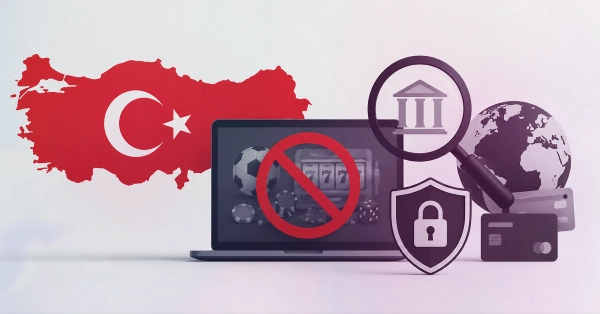
Turkey has escalated its fight against illegal betting networks, moving from limited enforcement to a sweeping financial crackdown. In 2025, authorities blocked around ₺5 billion (about $115 million) in funds linked to unlawful gambling activity, marking one of the country’s largest coordinated financial interventions against the sector. The focus has shifted from individual bettors to the payment channels and financial structures that support underground operators.
For years, illegal betting groups stayed ahead by building complex transaction routes that disguised gambling deposits as ordinary commercial payments. Instead of sending money directly to betting sites, users were routed through layers of fake online merchants and shell companies. These fronts used virtual point-of-sale systems so transactions appeared to banks as routine retail purchases rather than gambling transfers.
Turkey’s Financial Crimes Investigation Board, MASAK, changed tactics by mapping and targeting these payment pipelines. Rather than only blocking domains or pursuing small operators, investigators analyzed transaction patterns, merchant accounts and payment processors. Controls were tightened across digital payments and suspicious merchant profiles were flagged and shut down. Authorities also tracked crypto flows tied to betting rings, freezing wallets and seizing digital assets connected to organized groups.
Regulators also turned their attention to financial intermediaries that failed to prevent misuse of their systems. The Central Bank revoked the licenses of six payment and electronic money institutions found to be linked to suspicious betting-related flows. Instead of issuing fines, regulators removed their authorization to operate, effectively forcing them out of the market and sending a strong warning to other fintech providers about compliance failures.
Officials say criminal networks then shifted tactics again, attempting to move money through private individuals. Ordinary citizens were offered small commissions in exchange for allowing their bank accounts to be used to pass through third-party funds. This “account rental” method turned personal accounts into laundering tools.
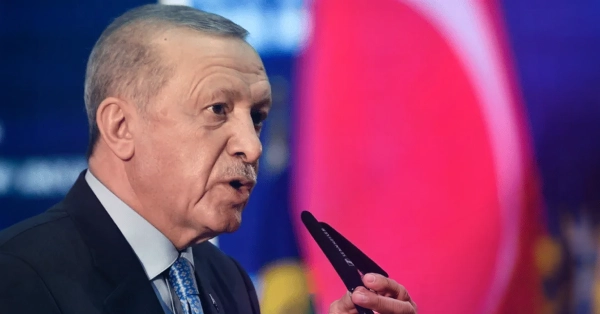
Turkey’s Treasury and Finance Minister, Mehmet Şimşek, publicly warned that people who allow their accounts to be used in this way can face legal consequences, even if they claim they were unaware of the source of funds. Under current enforcement policy, account holders remain responsible for illicit transactions that pass through their names.
With expanded monitoring across banks, payment processors and crypto channels, authorities are signaling a long-term enforcement shift. The strategy now centers on dismantling the financial backbone of illegal betting rather than only chasing front-end operators.

iGamist Editorial Team
An experienced writer covering the latest trends in online gaming and iGaming industry.
Stay Updated
Get the latest iGaming news and guides delivered to your inbox