Bally’s Intralot Eyes Evoke Deal Amid Growth
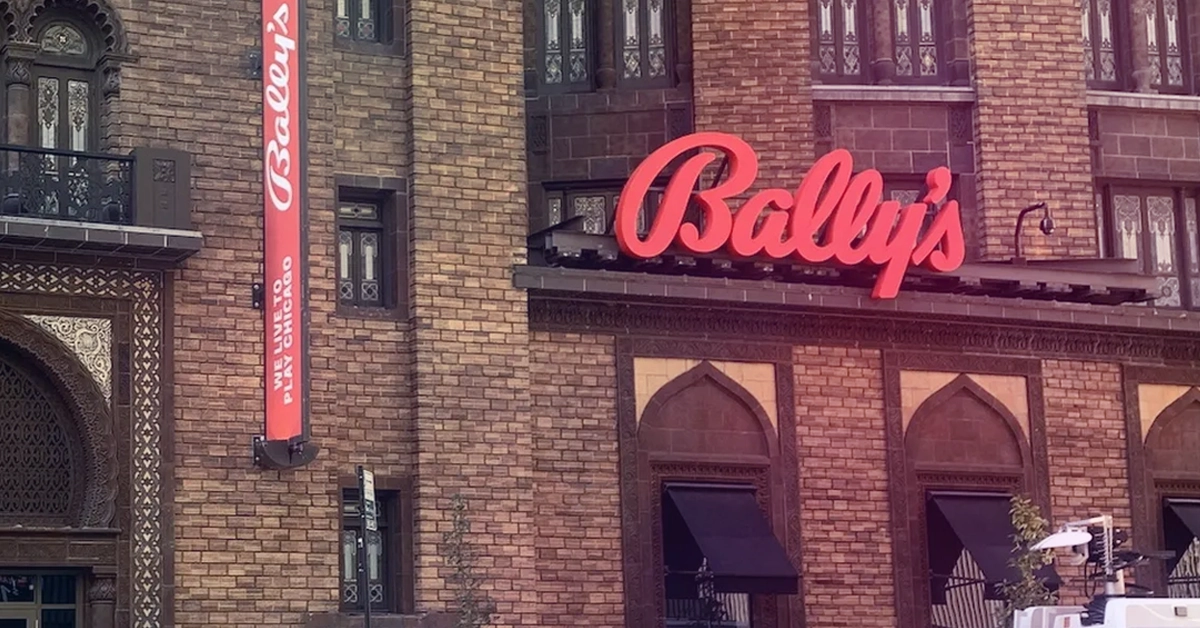
Bally’s Intralot’s latest full-year results highlight a business that is shifting direction, with a stronger focus on direct-to-consumer operations following its merger in October 2025.
The group reported revenue of €518 million for the year, up from €384.3 million previously, while adjusted EBITDA increased to €183.5 million. Beyond the headline figures, a key development is the growing contribution from consumer-facing activities, which now account for nearly half of total revenue, compared to less than a quarter a year earlier.
Strategic Shift Toward B2C
This change reflects a broader move away from a purely B2B model, as the company positions itself closer to end users rather than operating solely as a backend provider. The transition signals an effort to build a more visible presence in the global gambling market.
At the same time, Bally’s Intralot has confirmed it is in discussions regarding a potential acquisition of evoke, the operator behind brands including William Hill, 888 and Mr Green.
Potential Expansion Opportunity
A deal with evoke would significantly expand Bally’s Intralot’s footprint, adding established brands and strengthening its presence in the UK and European markets. Combined with its existing capabilities, the acquisition could create a larger, more diversified operator.
However, the opportunity also comes with considerable challenges.
Financial Considerations
Both companies carry substantial debt. Bally’s Intralot reported adjusted net debt of around €1.5 billion at the end of 2025, while evoke holds approximately £1.8 billion. A combined entity would therefore face a significant financial burden, likely requiring restructuring measures or refinancing to manage effectively.
Evoke has already taken steps to address its position, including plans to close around 200 retail locations and streamline its operations. Similar cost-control measures could form part of any integration strategy.
Operational Complexity
Beyond financial considerations, combining the two businesses would introduce additional complexity. The merged group would operate across multiple jurisdictions, each with distinct regulatory frameworks, while also managing a portfolio of established brands.
Aligning operations, governance structures and market strategies across different regions could present further challenges.
Market Context
The timing of the potential expansion is also notable. The gambling sector, particularly in the UK, is facing tighter regulation and increasing tax pressures, which may impact profitability and growth prospects.
Despite these headwinds, Bally’s Intralot appears focused on scaling its operations and strengthening its competitive position within the industry.
Outlook
The company’s recent results indicate positive momentum, particularly in its shift toward consumer-driven revenue. However, the outcome of the evoke discussions could prove decisive in shaping its future direction.
If the acquisition proceeds, Bally’s Intralot will need to balance expansion ambitions with financial discipline, as it navigates a more complex and competitive operating environment.

iGamist Editorial Team
An experienced writer covering the latest trends in online gaming and iGaming industry.
Stay Updated
Get the latest iGaming news and guides delivered to your inbox