Brazil Advances Bill Against Illegal Betting
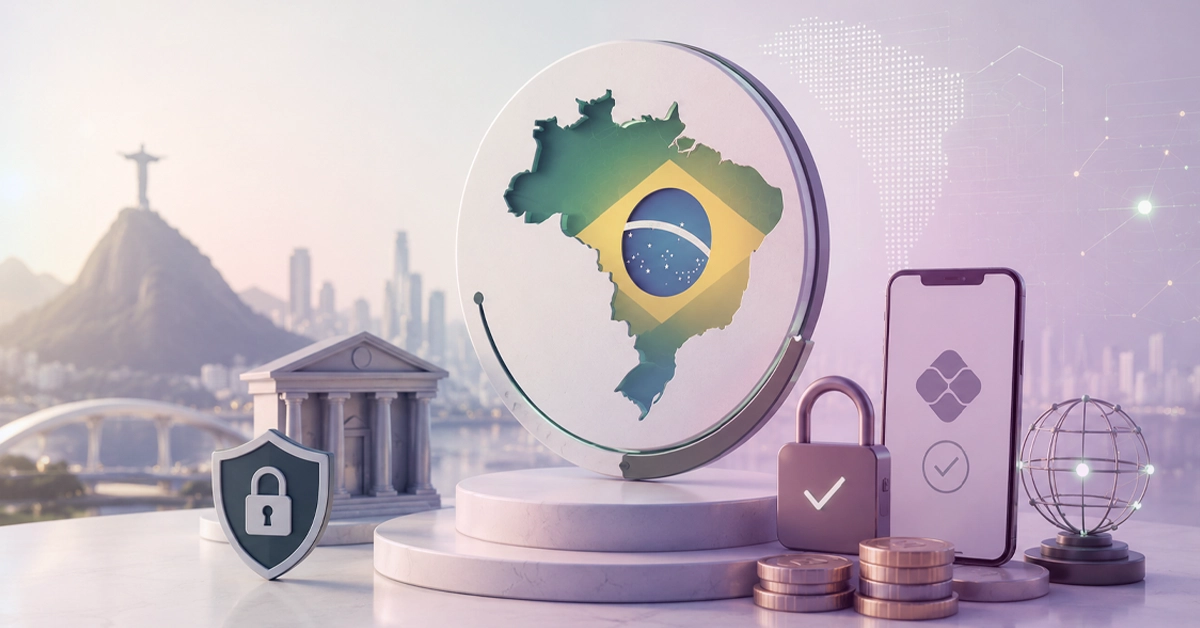
Brazil is continuing to strengthen its crackdown on illegal betting after the Finance and Taxation Committee of the Chamber of Deputies approved Bill No. 4.044/2025. The proposal establishes a Legal Framework for Combating the Illegal Gaming and Betting Market while also introducing amendments to Law No. 14.790/2023, which regulates fixed-odds betting activities in the country.
The bill was originally presented to parliament in August 2025 by deputies Paulo Litro, Raimundo Santos, and Merlong Solano, with deputy Laura Carneiro serving as rapporteur before the committee approved the measure.
Its approval marks another step in Brazil’s broader campaign against illegal gambling, following previous regulatory measures such as Law No. 15.358/2026, known as the Jungmann Law and Anatel Resolution No. 569/2026.
A major focus of the proposal is the expansion of responsibilities for banks, payment institutions and financial service providers connected to the betting sector. Under the bill, institutions authorized by the Central Bank of Brazil would be required to carry out enhanced due diligence procedures aimed at preventing transactions linked to unauthorized betting operators.
Financial institutions would also need to submit monthly reports detailing gambling-related activity, including transaction volumes, the number of accounts involved, blocked or rejected operations and internal monitoring controls.
The proposal further requires banks and payment companies to integrate with electronic fraud-monitoring systems that allow the exchange of information regarding unauthorized operators. The Ministry of Finance would maintain a public database of illegal betting companies to support anti-fraud checks.
Additional provisions target Brazil’s payment infrastructure, particularly the use of Pix. The bill introduces specific transaction categories for gambling activities limited to licensed operators, automated filters connected to Pix keys and business activity codes, as well as integration with self-exclusion and risk-management systems. Gambling-related payments would also carry dedicated labels within payment interfaces.
The legislation also seeks to prohibit operational, commercial and technological partnerships between financial institutions and illegal operators. This includes services such as Banking-as-a-Service, payment gateways, sub-acquiring arrangements and other infrastructure used to process gambling transactions.
The bill would also strengthen Anatel’s authority to block domains linked to illegal betting sites in cooperation with the Ministry of Finance. Proposed enforcement tools include DNS blocking, IP blocking, SNI filtering and systems designed to identify mirror websites.
Several new criminal offenses are included in the proposal. These cover operating illegal fixed-odds betting services, financing unauthorized gambling operations, transferring funds between players and illegal operators, advertising illegal betting sites and obstructing domain-blocking measures. Penalties could include imprisonment and financial fines.
The bill introduces tougher penalties for repeat offenses, offshore operations, the use of anonymity tools, illegal advertising targeting minors, corporate involvement and the participation of digital influencers in promoting illegal gambling activities.
It also expands the list of violations under Law No. 14.790/2023 to include advertising for illegal operators and providing technical support for unauthorized gambling services.
In addition, the Ministry of Finance would receive powers to request geolocation-based blocking of illegal domains and applications accessed through VPN services or by users located outside Brazil.
Following approval by the Finance and Taxation Committee, the bill will now move to the Constitution and Justice Committee for constitutional review before potentially advancing to a plenary vote in the Chamber of Deputies and later to the Federal Senate.

iGamist Editorial Team
An experienced writer covering the latest trends in online gaming and iGaming industry.
Stay Updated
Get the latest iGaming news and guides delivered to your inbox