Brazil Anti-Betting Candidates Struggle in First Round
Candidates who campaigned against online betting in Brazil struggled to turn the issue into an electoral advantage during the first round of voting. Across several states, politicians advocating betting restrictions were defeated or finished near the bottom of the results, with outcomes ranging from Rio de Janeiro to Rio Grande do Sul.
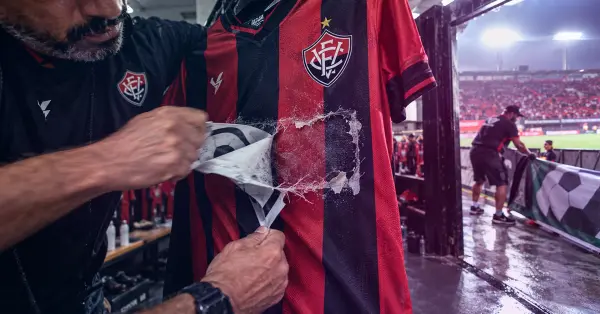
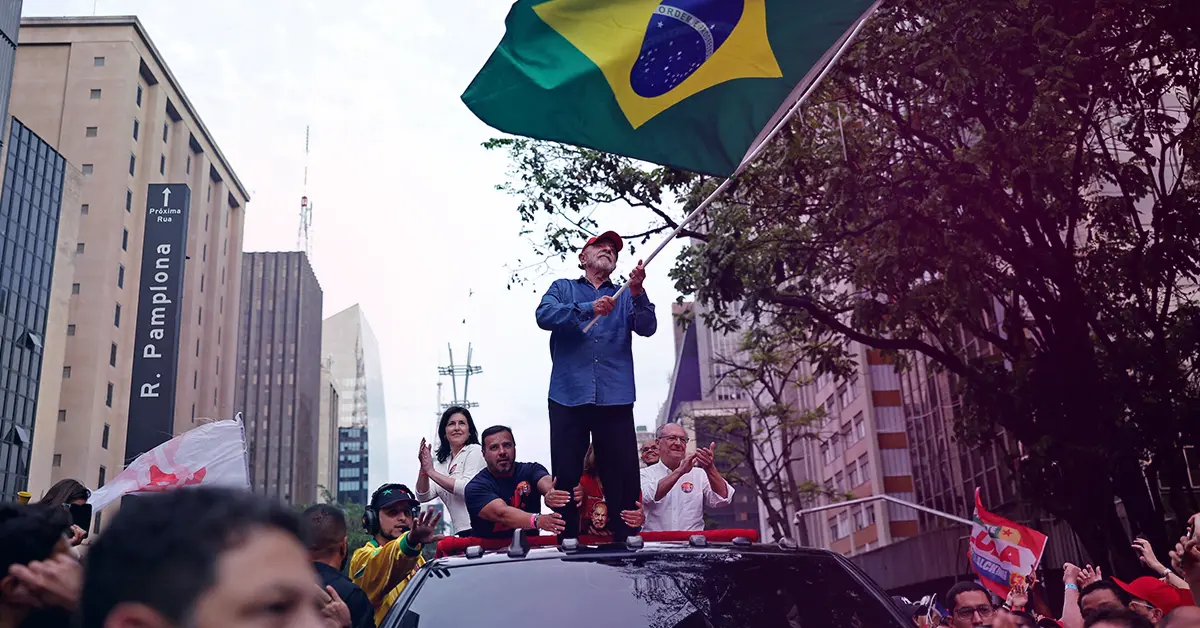
The issue entered the final week of campaigning after President Luiz Inácio Lula da Silva signed Provisional Measure No. 1,394/2026 on September 25, banning online betting just nine days before the election. Candidates from different states subsequently made the measure part of their campaigns, but the results showed no clear link between support for restrictions and electoral success.
Rio de Janeiro Delivers a Setback for Betting Opponents
In Rio de Janeiro, PSD candidate Eduardo Paes pledged to shut down the state lottery operator Loterj and accused the Bolsonaro government of creating a “betting paradise”.
Before the election, a Datafolha poll put Paes ahead with 46% of valid votes, compared with 38% for Douglas Ruas (PL). The initial results reversed that order, and a subsequent recount further increased Ruas’ share after the Electoral Court invalidated Anthony Garotinho’s candidacy and annulled his 274,411 votes.
Following the recount, Ruas secured 50.88% of valid votes, while Paes received 44.16%. Paes ally and federal deputy Pedro Paulo (PSD) also failed to win a Senate seat.
The outcome represented a prominent setback for the anti-betting campaign, which had not translated into the electoral gains its supporters might have expected.
Mixed Results for Betting Restrictions Across States
Results elsewhere in Brazil showed a similar pattern, although there were exceptions.
In Minas Gerais, Patrus Ananias (PT) described the ban as “a new beginning” for families and received around 26% of the vote. Governor Mateus Simões (PSD), who had restricted gambling advertisements in stadiums and announced R$32 million in assistance for sports clubs, secured less than 5%. Cleitinho Azevedo (Republicanos), a betting critic who largely avoided the issue during his campaign, led with approximately 55%.
In Rio Grande do Sul, Juliana Brizola (PDT) won around 32% after campaigning for the measure, while Marcelo Maranata (PSDB) received less than 2%. Luciano Zucco (PL), who called the ban a “clear act of electoral desperation”, won with approximately 58%.
In Paraná, Requião Filho (PDT) lost to Sergio Moro (PL), who secured 50.10%. In Ceará, anti-betting candidate Ciro Gomes (PSDB) received 46.52%.
There were also victories for candidates who welcomed Lula’s decision. In Bahia, incumbent governor Jerônimo Rodrigues (PT) won re-election with 55.80%. In Pernambuco, incumbent Raquel Lyra (PSD), who praised the president for “taking up this fight” and offered financial assistance to sports clubs, received 53.25%. Both governors were serving their second terms.
Polling Suggested the Ban Was Not a Decisive Voting Issue
Pre-election surveys had already indicated a difference between public support for banning betting and the extent to which the issue influenced voting decisions.
Research by BNLData found that 68.1% of social-programme beneficiaries surveyed by Cruz Consulting/ANJL said a candidate’s position on betting would not affect their vote. An Indexa/Broadcast poll found that 70% supported a ban, but 63% said the issue would have no impact on their electoral choice.
Research by social survey group More in Common and Ipsos-Ipec found that 58% of Brazilian voters would not change their vote based on knowing they could bet on election results. Meanwhile, Palver reported that just 1% of respondents were considering voting differently following the ban.
A separate Datafolha survey conducted on October 1 recorded 78% support for the ban, including 70% among voters for Flávio Bolsonaro.
Together, the findings suggested that backing restrictions did not necessarily translate into a change in voting intentions, despite substantial public support for the policy itself.
Concerns Over the Ban’s Impact on Lula’s Campaign
Flávio Bolsonaro (PL) advanced to the October 25 runoff against Lula. Following the first round, reports circulated among members of the president’s campaign that the betting ban might have harmed his electoral prospects. Lula has not publicly addressed the measure since the first-round vote.
In an interview with Revista Oeste, Murilo Hidalgo, president of Paraná Pesquisas, described the decision as a “shot in the foot”. He argued that the measure had generated a negative reaction, particularly among football supporters and clubs.
Hidalgo also pointed to the government’s subsequent silence on the issue as an indication that discussion of the measure had been set aside.
Although the election results raised questions about the political consequences of the ban, the available first-round results and polling data do not establish a direct causal relationship between the restriction and candidates’ electoral performance.

iGamist Editorial Team
An experienced writer covering the latest trends in online gaming and iGaming industry.
Stay Updated
Get the latest iGaming news and guides delivered to your inbox