Greece Moves to Tackle €1.67bn Illegal Gambling
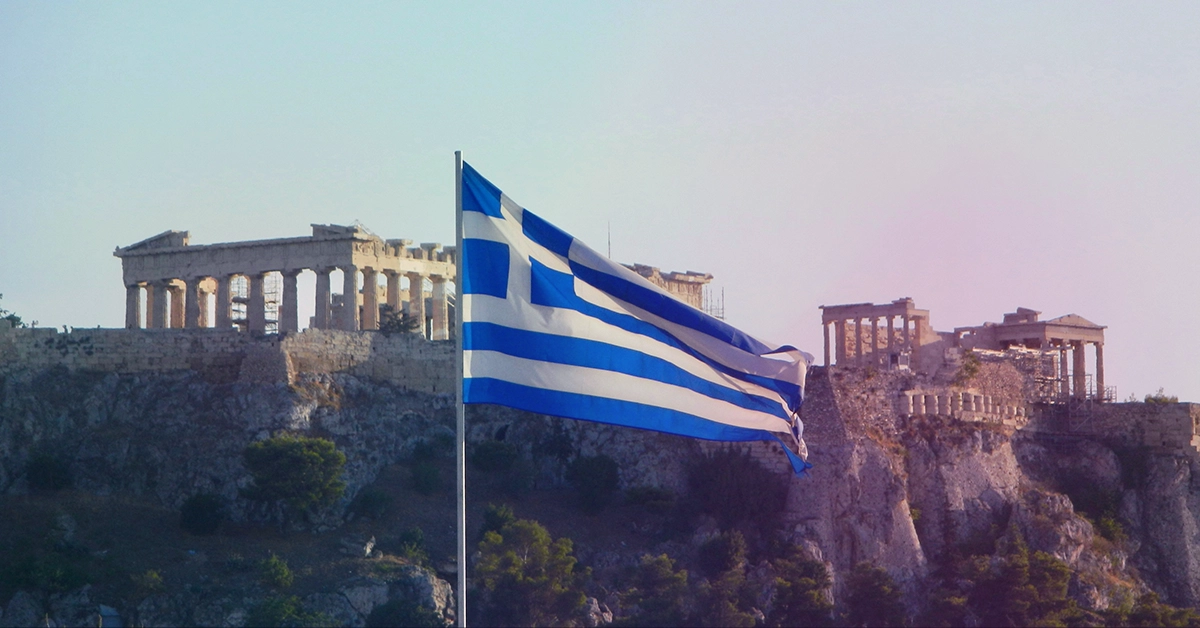
Greece has introduced new legislation aimed at addressing the country’s sizeable illegal gambling market, following estimates that around 800,000 people engaged in unlicensed betting activity in 2024. Authorities believe the shadow sector generates approximately €1.67bn annually, resulting in more than €400m in lost tax revenue each year.
Expanded Digital Powers
Under the proposed framework, the Hellenic Gaming Commission will receive broader authority to intervene online. The regulator will be able to request the immediate removal of unlawful content from internet service providers, require social media platforms and search engines to block access to illegal sites and obtain user identification details when investigating suspected unlawful gambling activity. Lawmakers argue that these measures will allow faster disruption of organised digital operations and help create a more balanced environment for licensed operators.
Increased Staffing and Enforcement Authority
To support its expanded remit, the commission’s staffing cap will rise from 80 to 110 permanent administrative and scientific roles. The regulator currently employs 72 staff members. In addition, the Gaming Inspectors Corps will be granted enhanced enforcement status, enabling inspectors to act as special investigative officers. They will be authorised to compile case files when criminal breaches are identified and submit them directly to prosecutors, streamlining legal proceedings and reducing procedural delays.
Stronger Blacklists and Advertising Sanctions
The legislation also updates the official blacklist of unlicensed operators. Beyond listing illegal websites, the registry will include named individuals and legal entities connected to unlawful activities. An automated blocking system will be introduced to accelerate site restrictions.
New administrative fines ranging from €5,000 to €50,000 per violation will apply to those promoting unlicensed gambling services. The rules extend to digital influencers, streamers and affiliate marketers found advertising illegal operators. Authorities describe these sanctions as a preventative tool to deter online promotion of unauthorised betting platforms.
Facility Closures and Criminal Sentences
The reforms reinstate the government’s power to seal physical venues operating without proper certification. Municipal authorities will have the ability to revoke business licences entirely.
Criminal penalties will also be restructured. Individuals operating illegal gambling businesses face prison sentences of at least 10 years, alongside fines between €50,000 and €700,000. More severe sanctions, including fines of up to €800,000, may apply in aggravated cases, particularly where minors are involved or large-scale organised activity is identified.

iGamist Editorial Team
An experienced writer covering the latest trends in online gaming and iGaming industry.
Stay Updated
Get the latest iGaming news and guides delivered to your inbox