Ireland Cracks Down on Pub-Based Betting Accounts
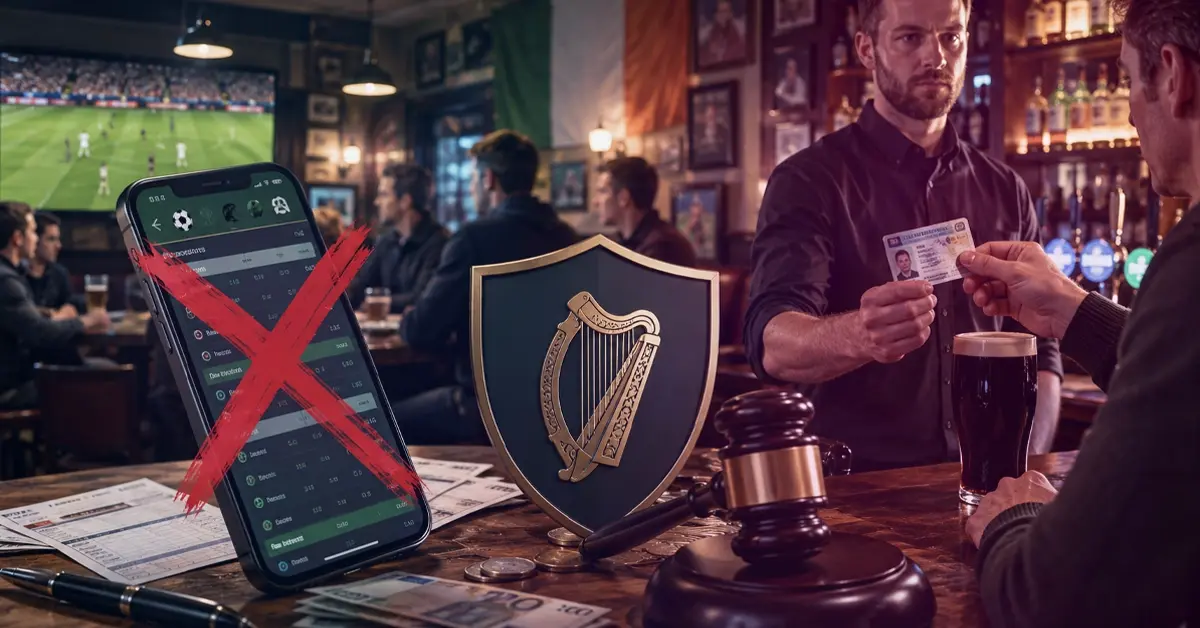
A long-standing betting arrangement used across hundreds of Irish pubs is being brought to an end as gambling authorities increase enforcement and examine the potential for pub-based wagering to facilitate the movement of criminal funds.
The practice was especially common in rural communities where the nearest bookmaker could be several miles away. Customers could place bets from inside a pub, with the publican effectively serving as an intermediary.
The wager would be submitted through an account held by the pub, winnings would be returned to the customer, and the publican could receive a share of losing bets.
That model is now being dismantled.
Betting operators have started withdrawing their services from pubs using these accounts, including dedicated television systems used to display live betting odds. The practice had operated on a significant scale, with one operator alone previously providing its service to around 400 pubs.
Betting Rules Increase Compliance Pressure
The action follows the introduction of the Gambling Regulation Act 2024 and the establishment of the Gambling Regulatory Authority of Ireland as the country's central gambling enforcement body.
Regulatory responsibilities were transferred from Revenue to the authority on February 5 this year.
The regulatory concern extends beyond whether publicans can simply place horse-racing bets on behalf of customers.
The pub-account model creates difficulties for requirements intended to establish the identity of the actual gambler and the source of betting funds. While a bookmaker can identify the person registered to a pub account, identifying every individual whose money is being wagered through that account is considerably more difficult.
New identification requirements have increased the importance of this distinction. Customers collecting winnings of €2,000 or more must provide photographic identification, such as a passport or driving licence, as well as proof of address.
Payments are also required to go directly to the person associated with the relevant betting account. Splitting winnings between multiple people to avoid identification requirements is no longer allowed.
For bookmakers, continuing to allow pub accounts to function as informal channels for other people's bets could result in serious penalties. Regulatory breaches can lead to financial penalties of up to €20 million, while serious offences may carry prison sentences of up to eight years.
Gardaí Investigate Potential Money-Laundering Links
Another factor behind the increased scrutiny is the possibility that pub betting arrangements could be used to launder criminal proceeds, including money linked to drugs.
Gardaí and gambling regulators have been examining this risk. Operations carried out by Gardaí in the Midlands last year uncovered evidence of unusually large bets being placed through pubs.
Betting records included wagers of approximately €10,000 on heavily favoured selections across multiple premises.
Such activity could provide a means of turning cash of questionable origin into funds that appear to have been generated through legitimate gambling. The objective does not necessarily have to be a substantial gambling profit, as a heavily favoured selection has a relatively high probability of returning much of the original stake.
The informal structure of the pub betting model adds another layer of difficulty because the person registered to the betting account may not be the individual who supplied the money.
Rural Convenience Creates Regulatory Challenges
The pub betting system had remained popular partly because it offered a convenient alternative for people in rural areas.
Customers without online betting accounts could hand their money to a publican rather than travel to a town to find a licensed bookmaker. Publicans could place customers' wagers through their own accounts and, in some cases, receive commissions of around 10% on losing bets.
However, the arrangement also created uncertainty over the distinction between helping regular customers place wagers and operating as an unlicensed betting intermediary.
The regulatory changes have made that distinction more significant.
Taking bets on behalf of another person, transmitting wagers, operating betting-ticket equipment or distributing winnings can constitute acting as an unlicensed intermediary. That offence carries a maximum prison sentence of five years.
Operating an unlicensed bookmaking business can result in an even longer potential sentence of eight years.
Pub Organisations Warn Members
The Gambling Regulatory Authority has been engaging with betting operators and organisations representing the Irish pub sector, including the Licensed Vintners Association and the Vintners’ Federation of Ireland.
Both organisations have subsequently informed their members that these types of betting arrangements cannot legally continue.
For customers, the change means those who previously relied on a bartender to place wagers will need to create their own online betting accounts or use a licensed bookmaker before watching a race.
Publicans will also lose the commissions generated by losing bets, which represented an additional source of income for some businesses.
However, the enforcement campaign extends beyond the financial arrangements at individual pubs. Ireland's developing gambling regulatory system requires licensed operators to establish who is placing a bet, who owns the funds and who receives the eventual payout.
Pub accounts used by multiple unidentified customers do not fit easily within those requirements.
After years in which the arrangement appears to have been widely tolerated despite its legal difficulties, regulators are now placing greater emphasis on identifying the person behind every wager.

iGamist Editorial Team
An experienced writer covering the latest trends in online gaming and iGaming industry.
Stay Updated
Get the latest iGaming news and guides delivered to your inbox