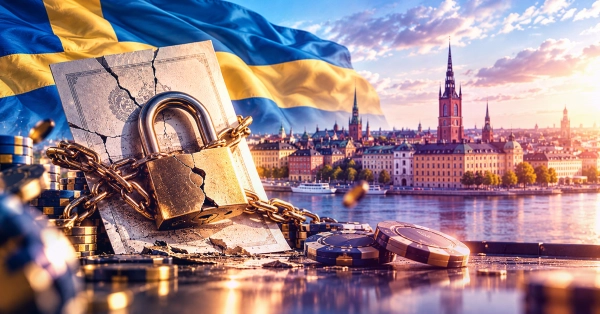
Italy Rethinks Gambling Ad Ban After Market Impact
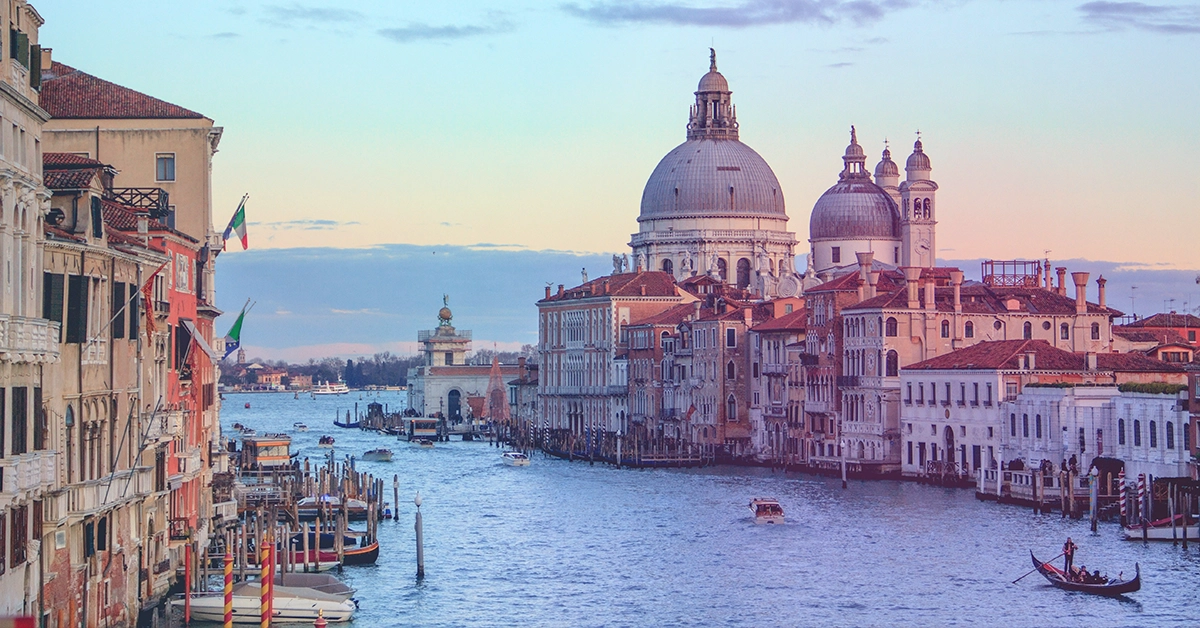
Italy’s decision to impose strict limits on gambling advertising and sports sponsorships through the 2018 Dignity Decree is now under renewed scrutiny. Originally introduced to protect consumers, the policy is increasingly being questioned for its effectiveness and wider impact on the regulated market.
In a detailed report, the outgoing president of the Italian football federation has called for the removal of the blanket ban. According to the analysis, the restrictions have not delivered the intended reduction in problem gambling, while significantly reducing a key revenue stream for the country’s sports sector. The findings suggest that limiting the visibility of licensed operators has not reduced overall participation.
Growth of the Unregulated Market
One of the most notable consequences has been the expansion of illegal gambling activity. With licensed operators unable to promote their services, unregulated offshore platforms have gained greater exposure. Investigations indicate that gambling participation has increased since the ban was introduced, including among younger audiences.
Estimates from industry sources suggest that a substantial volume of betting activity now takes place outside the regulated system, with billions of euros flowing into unlicensed channels each year. This shift has also resulted in significant tax revenue losses, as legal operators are restricted from competing on equal terms.
Impact on Italian Sports
The restrictions have also placed financial pressure on the sports industry, particularly football. In many European markets, regulated betting brands remain a major source of sponsorship income. Italian clubs, however, have been unable to access this revenue stream, leading to estimated annual losses of over €100 million.
This financial gap has contributed to broader challenges within the sector, with professional football clubs facing ongoing deficits. Reduced funding has affected areas such as infrastructure, youth development and overall competitiveness at the European level.
Rethinking the Regulatory Approach
Policymakers and sports authorities are now considering alternative solutions. The current proposal would remove the blanket ban while introducing a targeted levy on sponsorship agreements involving regulated operators.
Under this model, a percentage of sponsorship revenue would be redirected toward public initiatives, including investment in local sports facilities, youth programmes and responsible gambling measures. The aim is to balance commercial activity with social responsibility, while bringing licensed operators back into a visible and regulated environment.
Steps Toward Market Adjustment
Recent developments indicate a gradual shift in policy direction. Italy’s communications regulator has introduced updated guidelines allowing licensed operators to run campaigns focused on responsible gambling. While limited in scope, this marks a step toward reintroducing controlled visibility for legal operators.
At the same time, the regulated online market continues to expand. A new licensing framework has already attracted dozens of approved operators, generating significant revenue for the state. With continued growth expected, the focus is increasingly on creating a sustainable system that supports regulation, consumer protection and industry development.

iGamist Editorial Team
An experienced writer covering the latest trends in online gaming and iGaming industry.
Stay Updated
Get the latest iGaming news and guides delivered to your inbox