Lula Pushes for Stricter Betting Ad Rules
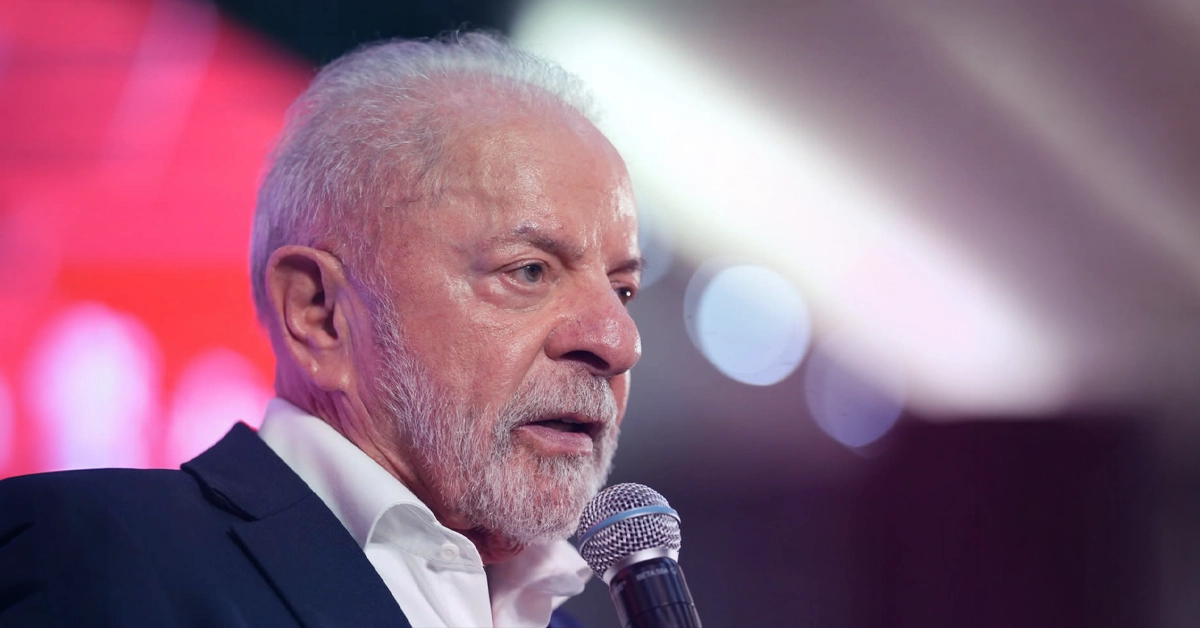
Brazilian President Luiz Inácio Lula da Silva has stated that stricter controls on online betting advertisements are expected during his administration, signaling a tougher stance on gambling promotion and regulation in the country.
Speaking during the Sem Censura program broadcast on EBC television, Lula confirmed that tighter oversight of betting advertisements is under consideration. According to the president, betting operators should face the same regulatory standards applied to other controlled industries. He stressed that activities considered illegal in everyday life should not be tolerated in digital environments either.
Lula also revealed that, personally, he would prefer to see online betting platforms banned entirely. However, he acknowledged that decisions involving the gambling sector cannot be made solely by the executive branch and must involve Congress and the judiciary.
During the interview, the president highlighted the limitations of presidential authority when it comes to reshaping gambling legislation. He pointed out that the ruling Workers’ Party does not hold a majority in either chamber of Congress, meaning negotiations are required before introducing or approving significant regulatory changes.
According to Lula, the betting industry also maintains considerable influence within the legislative process, making it difficult for the government to impose restrictions without broader political support. He noted that Congress could overturn executive decisions related to gambling if sufficient backing exists.
The president claimed the government has already taken action against unauthorized operators, stating that more than 90% of illegal betting activities had been blocked. He also mentioned that the Ministry of Economy established a dedicated secretariat to supervise the sector and monitor compliance.
Lula added that the government does not intend to authorize additional betting operators before the end of the year while the market continues to be evaluated. He emphasized the importance of distinguishing between regulated operators and what he described as predatory gambling businesses.
The president specifically referenced “tiger games,” suggesting that certain products should not be allowed to operate in the Brazilian market again. He argued that stronger operating standards and additional restrictions are necessary to reduce the risks linked to gambling addiction.
The discussion also focused on the social impact of online betting, especially among younger and lower-income populations. Lula described gambling addiction as a serious issue that requires preventive policies, educational initiatives and tighter advertising restrictions.
Data mentioned during the interview indicated that around 1.3 million young people in Brazil currently use betting platforms, with many coming from economically vulnerable communities.
Lula compared the current betting environment to earlier periods in Brazilian history when casinos and gambling activities were heavily restricted. He argued that digital gambling has now entered private homes through smartphones and online platforms, making access easier for minors and families unaware of the risks involved.
The president also linked the growth of online betting to rising household debt levels in Brazil, referencing the government’s Desenrola debt restructuring initiative as part of a wider effort to address financial difficulties among citizens.
Debates surrounding gambling regulation and betting advertisements are expected to remain a major political topic in Brazil ahead of the country’s 2026 general elections, with lawmakers continuing discussions over stricter rules and possible legislative reforms.

iGamist Editorial Team
An experienced writer covering the latest trends in online gaming and iGaming industry.
Stay Updated
Get the latest iGaming news and guides delivered to your inbox