Norway Monopoly Faces Fresh Gambling Reform Pressure
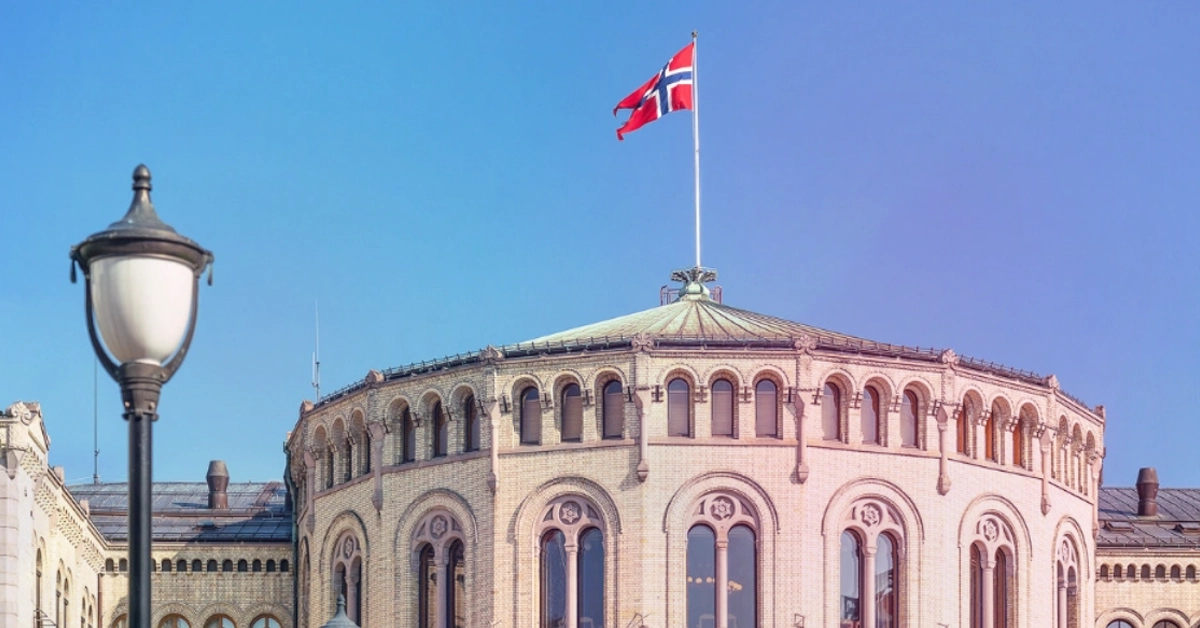
Norway’s gambling monopoly is once again under political pressure after Progress Party politician Himanshu Gulati questioned whether the country’s long-standing regulatory model still reflects current gambling habits.
Speaking at the annual meeting of the Norwegian Trade Association of Online Gambling, Gulati argued that the discussion around gambling reform has become too heavily influenced by ideology rather than evidence. He said policymakers should focus on factual assessments when evaluating whether the existing system continues to meet its objectives.
One of the key arguments supporting Norway’s monopoly has been its role in generating funding for sports, voluntary organisations and community initiatives. Gulati challenged that position, noting that many Norwegian players continue to use offshore gambling sites despite existing restrictions. According to him, this raises questions about whether the current model remains the most effective way to channel gambling revenue toward public causes.
He also suggested that Norway could benefit from the expertise of internationally licensed operators, particularly in areas such as responsible gambling and player protection. Gulati pointed out that many operators active in regulated markets have developed advanced tools designed to identify and reduce gambling-related harm.
The politician further argued that licensed operators can contribute to wider integrity efforts, including initiatives aimed at detecting and preventing match-fixing through information-sharing and monitoring systems used across multiple jurisdictions.
Gulati described gambling reform as a long-standing priority for the Progress Party and indicated that introducing a licensing framework would be among the party’s key cultural policy objectives should it enter government.
The debate comes as the Progress Party continues to gain support in national polls, increasing the visibility of proposals that have traditionally remained outside the mainstream political agenda.
Norway’s approach also stands in contrast to much of Europe, where most jurisdictions operate licensing systems that allow private operators to compete under regulatory oversight. While some countries still maintain monopolies in certain gambling segments, few apply them across the entire sector.
The difference is expected to become even more pronounced when Finland opens its gambling market to licensed competition in 2027. Once that transition is completed, Norway is projected to become the only European country operating a comprehensive gambling monopoly across all forms of betting and gaming.
As a result, the discussion is increasingly shifting toward whether the monopoly model continues to achieve its original goals or whether a licensed market framework would better reflect the realities of today’s gambling landscape.

iGamist Editorial Team
An experienced writer covering the latest trends in online gaming and iGaming industry.
Stay Updated
Get the latest iGaming news and guides delivered to your inbox