Peru’s Regulated iGaming Market Grows 120% in Two Years
Peru’s regulated online gambling market is showing strong signs of success two years after its launch, with player activity increasing significantly while offshore operators have largely lost their presence.
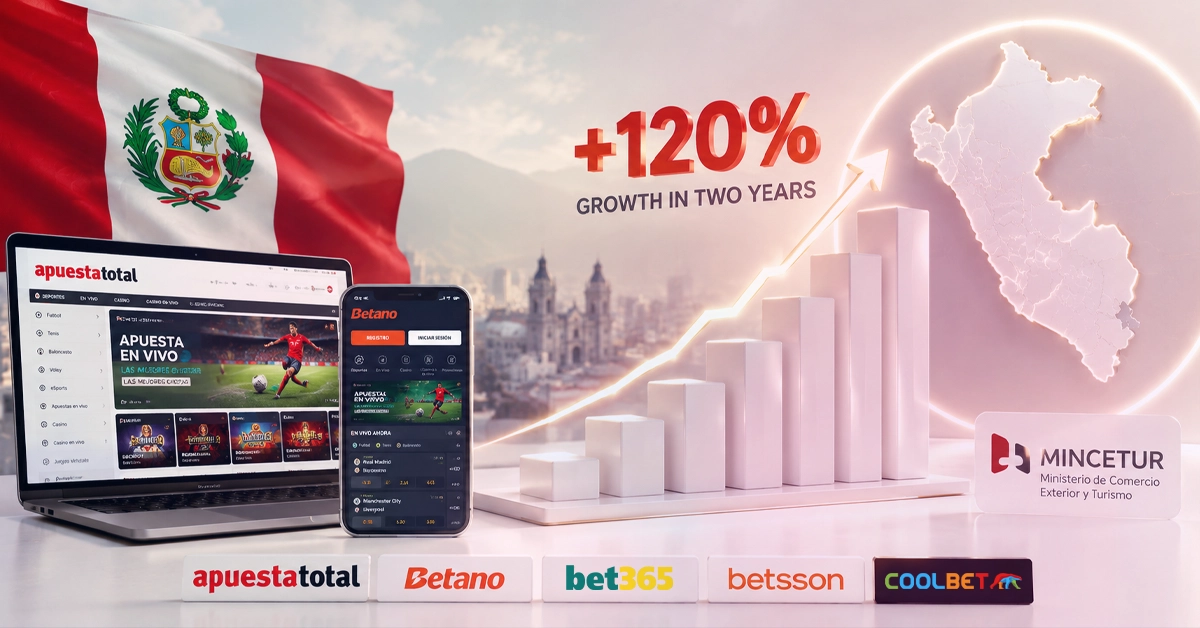
According to data reviewed by iGamingFuture and analytics company Blask, demand for online gambling products in Peru has risen by 120% since the country’s regulatory framework became fully operational in February 2024. During the same period, unlicensed offshore operators have seen their visibility decline sharply.
Before 2022, Peru did not have a dedicated regulatory structure for online betting and casino gaming. Operators served customers in an unregulated environment, with limited oversight from authorities. That changed with the introduction of Law No. 31557, which established the legal foundation for regulating the sector under the supervision of the Ministry of Foreign Trade and Tourism (MINCETUR).
However, the initial version of the legislation prevented international operators from obtaining local licences. Lawmakers later addressed this issue through amendments approved in June 2023, opening the market to global brands and setting the stage for the regulated framework that launched in February 2024.
Existing operators were granted a limited period to apply for licences, with the deadline expiring in March 2024. Once licensing requirements took effect, the market entered a transition phase as operators adapted to the new rules and players adjusted to the regulated environment.
Although activity softened during the early months, growth resumed by the middle of 2024 and has remained largely consistent throughout 2025 and 2026, aside from seasonal fluctuations.
Interestingly, revenue growth has not matched the rise in player demand. While overall interest in online gambling increased by 120%, projected market revenue grew by approximately 10%, indicating that participation has expanded faster than spending levels.
One of the most notable developments has been the decline of offshore operators. Following the introduction of licensing requirements, interest in unregulated brands dropped rapidly. By July 2024, offshore operators represented less than 1% of measured market visibility, a level that has remained largely unchanged since.
Revenue estimates paint a similar picture, with offshore operators accounting for only around 2% to 4% of projected market revenue after mid-2024.
A key factor behind this shift appears to be Peru’s decision to allow established international operators to enter the regulated market. Rather than forcing players to abandon familiar brands, the framework gave recognised operators a legal route to continue serving local customers.
The market is currently led by Apuesta Total, which controls more than half of total measured demand. However, competition is increasing. Betano has recorded year-on-year demand growth exceeding 100%, expanding its market share to nearly 18% and strengthening its position among the country’s leading operators.
Other major international brands, including Bet365, Betsson and Coolbet, have also maintained significant market positions, suggesting that players largely followed familiar operators into the regulated sector.
Peru’s tax model may also have contributed to the market’s development. Unlike neighbouring Brazil, which applies a 12% tax on gross gaming revenue, Peru applies the same rate to net gaming revenue, reducing the tax burden on operators and making market entry more attractive.
Two years after regulation took effect, Peru’s experience suggests that creating a pathway for trusted operators to join the legal market can play a significant role in reducing offshore activity while supporting continued market growth.

iGamist Editorial Team
An experienced writer covering the latest trends in online gaming and iGaming industry.
Stay Updated
Get the latest iGaming news and guides delivered to your inbox