Slovakia Movement Pushes for Higher Gambling Taxes
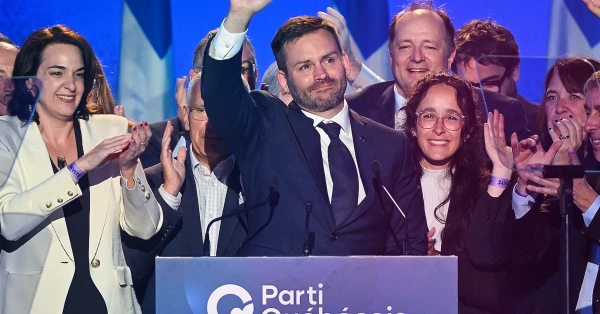
The Slovakia Movement, a populist and pro-business political group, has demanded higher taxes on gaming venues, opposing the government’s recent decision to reduce levies on slot machines and video terminals. The proposal has ignited political debate over fairness, fiscal policy, and social responsibility in Slovakia’s tightly regulated gambling sector.
Slot Machine Fee Controversy
At the core of the dispute is a major tax cut that halved slot machine fees from €9,300 to €4,400 and video terminal fees from €6,000 to €4,400. Lawmakers from the Slovakia Movement argue that this move benefits major operators while depriving the state of vital revenue.
Party MP Michal Šipoš warned that the reduction could cost the government up to €52 million annually. He insists that reinstating higher rates would promote fairness and compel operators to contribute more to the national budget. “Large gambling companies should shoulder a greater share of the tax burden,” Šipoš said.
Concerns Over Player Impact
Critics caution that reversing the cuts could unintentionally harm consumers. If operating costs increase, companies may raise deposit limits or encourage more aggressive gambling behaviors. Experts warn this could drive vulnerable players toward unregulated markets, undermining player protection efforts.
European Comparisons and Lessons
Šipoš urged policymakers to consider models from Austria and Poland, where gambling taxes are significantly higher. He claimed that aligning with such systems could bring in up to €300 million more in annual revenue.
Currently, Slovakia applies a flat per-device fee and a 27% tax on Gross Gaming Revenue (GGR). By comparison, Poland levies a 12% tax on betting stakes, a 50% tax on slots and table games, and a 10% withholding tax on winnings set to rise to 15% in 2026.
Rising Gambling Activity
The debate comes amid growing gambling expenditure in Slovakia, which has surged fourfold in recent years. MP Július Jakab argued that lower taxes send the wrong message as gambling risks increase, particularly among young and low-income players.
He stated that higher levies would not only boost government revenue but also demonstrate a stronger commitment to social protection.
Finding the Right Balance
The dispute highlights a broader European dilemma: how to balance fiscal policy, industry competitiveness and social responsibility. While the government prioritizes market stability and investment, reformists seek a model where the gambling industry contributes more equitably to public welfare.
As lawmakers deliberate, the question remains: can Slovakia design a gambling tax system that sustains growth while ensuring accountability and player protection?

iGamist Editorial Team
An experienced writer covering the latest trends in online gaming and iGaming industry.
Stay Updated
Get the latest iGaming news and guides delivered to your inbox