UK Political Shift Set to Transform iGaming Regulation
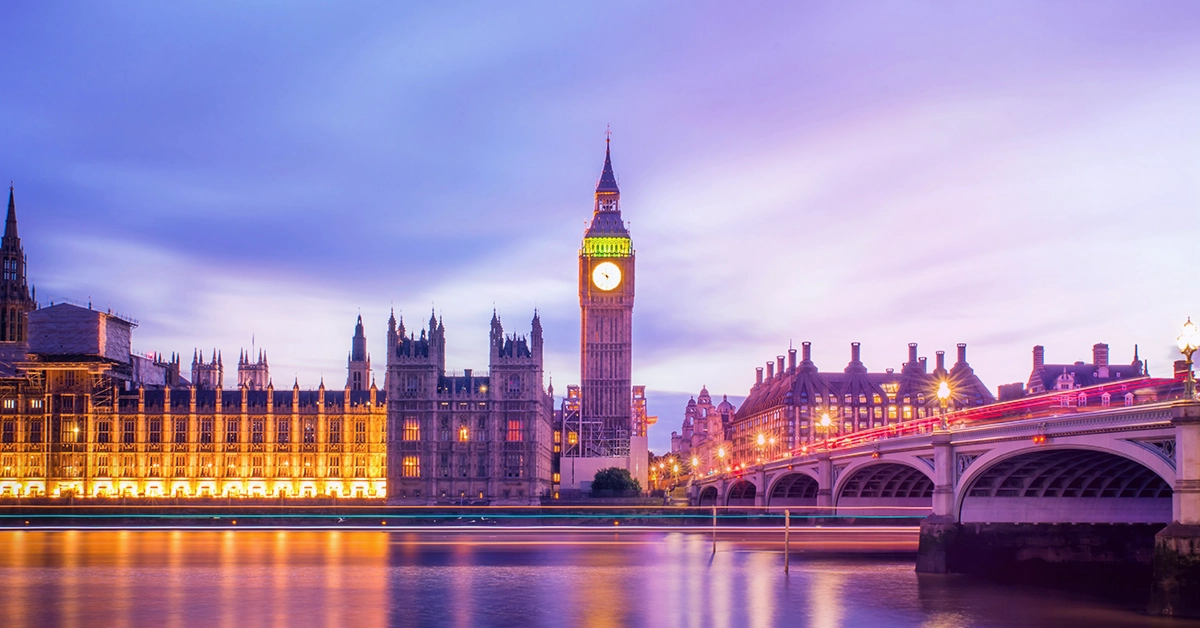
A new wave of political leaders is changing how Britain talks about gambling, regulation and corporate accountability. As Labour faces fatigue and the Conservatives struggle to rebuild trust, emerging parties are reshaping the policy agenda and their positions could dramatically transform the UK gambling market.
Each party now brings its own vision for taxation, advertising and responsible play. For operators, the stakes are high: the next election may decide whether the industry faces tighter rules or a more liberalised future.
Zack Polanski: The Reformist Voice on the Left
Zack Polanski, the new Green Party leader, is quickly becoming a key progressive voice. His platform blends environmental priorities with social reform and includes a firm stance on gambling restrictions.
Polanski has criticised the lack of local authority to block new betting shops, arguing that “big business has too much influence.” Under his leadership, the Greens have linked gambling revenues to animal welfare concerns, backing a full ban on greyhound racing.
If Labour requires Green support after the next election, Polanski’s policies could shape a much tougher regulatory era for both retail and online operators.
Nigel Farage: The Libertarian Pushback
Nigel Farage, leader of Reform UK, is taking the opposite position defending gambling as a personal freedom issue.
Farage argues that sweeping regulations punish the majority for the actions of a small minority. He has been vocal against stake limits for younger adults and has portrayed horse racing as a cultural tradition worth protecting.
His libertarian narrative frames gambling as a test of individual rights versus government overreach.
Andy Burnham: Labour’s Internal Reform Pressure
Andy Burnham, Mayor of Greater Manchester, remains one of Labour’s most influential figures despite not being in Parliament.
Burnham has long pushed for local control, stricter advertising rules and community-first regulation. His proposals include:
Empowering councils to block new licences.
Reclassifying gaming venues to close planning loopholes.
Banning gambling advertising and sponsorship.
Creating an independent levy to fund treatment and research.
If Labour wins power, Burnham’s agenda could heavily influence the party’s regulatory approach.
Three Competing Futures for UK Gambling
The Greens want ethical restrictions and tougher controls.
Reform UK pushes for deregulation and personal choice.
Labour, influenced by Burnham, seeks stricter community oversight.
This political divide is more than ideological; it will shape taxation, licensing and advertising rules for years to come.
As the general election approaches, operators are bracing for uncertainty: will the next government tighten the rules or ease the pressure?

iGamist Editorial Team
An experienced writer covering the latest trends in online gaming and iGaming industry.
Stay Updated
Get the latest iGaming news and guides delivered to your inbox