Ukraine Sees Surge in Gambling Self-Exclusion Requests
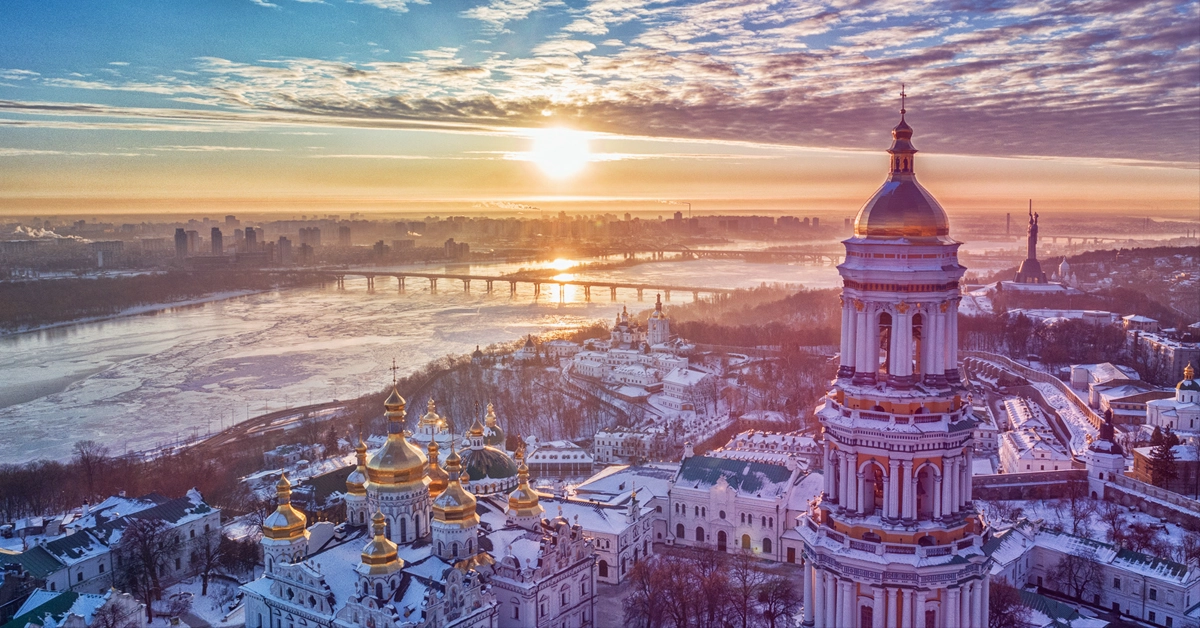
Recent data suggests a notable shift in Ukraine’s gambling market, highlighted by a sharp increase in self-exclusion requests.
Figures published by PlayCity show that more than 3,000 individuals have applied to block themselves from gambling since January. This marks a significant rise compared to the previous year, when roughly 300 applications were submitted over a six-month period.
Monthly figures reinforce the trend, with regulators now reporting close to 1,000 requests each month levels that were previously uncommon.
Self-exclusion has existed within Ukraine’s regulatory system for some time, but only recently has it begun to see broader adoption. The process allows individuals to submit a request to be added to a national exclusion register, requiring licensed operators to deny them access. The restriction period can range from six months up to three years, while family-initiated applications are permitted for shorter durations.
The register has expanded steadily and now includes over 16,000 individuals, indicating that the mechanism is increasingly being used in practice rather than remaining a formal safeguard.
This development comes alongside intensified regulatory action across the market. In April, PlayCity collaborated with YouTube to address illegal gambling-related content, resulting in the removal of several smaller channels and at least one video from a larger account.
The initiative forms part of a broader enforcement effort. Throughout 2025, authorities blocked thousands of unlicensed gambling websites and shut down hundreds of social media accounts associated with illegal operators. Influencers have also faced penalties for promoting gambling services outside the legal framework.
Regulatory scrutiny has extended to licensed operators as well. In a recent case, a licence linked to the operator behind Cosmolot was revoked following concerns over payment processes, including transaction methods that limited transparency.
These actions suggest regulators are targeting both illegal activity and compliance within the licensed sector.
The reasons behind the increase in self-exclusion requests are not entirely clear. It may indicate a rise in gambling-related issues among players, greater awareness of available safeguards, or a combination of both factors.
What is evident, however, is that self-exclusion is becoming an established part of Ukraine’s gambling environment, with growing numbers of players making use of the system.

iGamist Editorial Team
An experienced writer covering the latest trends in online gaming and iGaming industry.
Stay Updated
Get the latest iGaming news and guides delivered to your inbox