Brazil Betting Firms Cut Série A Shirt Sponsorships
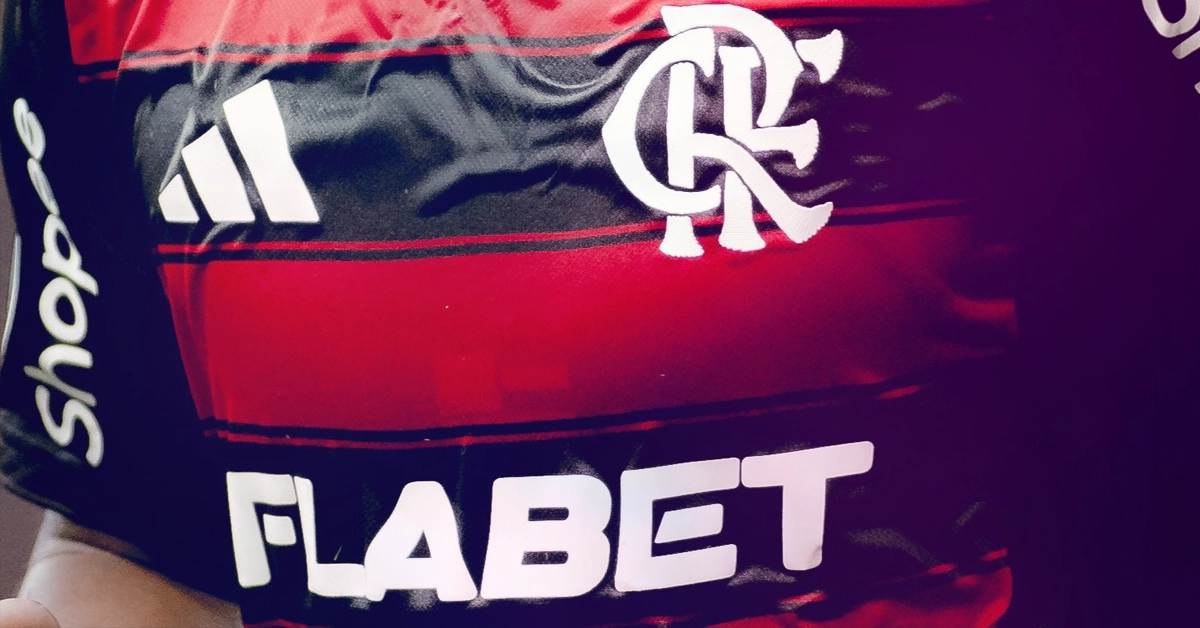
Sports betting operators have scaled back their role as main shirt sponsors for Brazil’s Campeonato Brasileiro Série A teams. In the 2026 season, 13 of the 20 top-tier clubs feature betting companies as their primary shirt sponsor, down from 18 teams in 2025.
Industry insiders say that firms are now shifting investment toward regional competitions, stadium partnerships, brand ambassadors, television content and major international events such as the 2026 FIFA World Cup in the US, Mexico and Canada. This reflects a strategic reallocation after the sector’s initial surge in top-tier sponsorships.
Regulation and Taxation Impact Spending
Following the full regulation of Brazil’s fixed-odds betting sector at the end of 2023, taxation levels have risen, reducing the funds available for sponsorships. André Gelfi, president of the Brazilian Institute of Responsible Gaming (IBJR), said regulation has “shortened the blanket” of sponsorship funding because a larger share is now allocated to taxes, leaving less for advertising.
2025 marked the first full year under the new tax regime, during which betting firms still invested heavily in main sponsorships. In 2026, after the first four rounds, spending in the master sponsorship category has decreased, reflecting both market adjustment and regulatory realities.
Market Size and Industry Pressures
Brazil’s Ministry of Finance reports the country’s betting market generated R$36.9 billion in gross gaming revenue (GGR) last year. There were 25.2 million registered CPFs and 100.7 million active accounts. Tax revenue reached R$4.5 billion, equivalent to 12% of GGR, while estimates suggest the unlicensed market is roughly equal in size to the regulated sector.
Currently, 80 operators are licensed in Brazil, compared with 253 in the UK and 77 in Spain. Roughly 80% of Brazil’s licensed betting companies are operating at a loss. Proposed increases to direct taxes could raise the GGR levy to 15% by 2028 and possibly 18% through congressional action, pushing the total tax burden above 25% of GGR when combined with corporate and municipal levies.
Consolidation and Strategic Sponsorship Shifts
Experts suggest the market cannot sustain all 80 operators profitably. Pietro Cardia Lorenzoni, legal director at the National Association of Games and Lotteries (ANJL), said the sector is narrowing as regulated operations face higher costs and tighter margins.
Leaders in the industry stress that the decline in Série A master sponsorship does not mean a reduction in sports investment but a strategic shift. Superbet CEO Alexandre Fonseca noted that sponsorship budgets are being redirected toward World Cup campaigns and brand-building initiatives. Betano’s Guilherme Figueiredo added that regulations prohibit the use of unspent customer deposits for advertising, prompting more realistic sponsorship deals. Start Bet’s Diego Bittencourt highlighted that funds from master sponsorships are increasingly being invested in regional naming rights, strategic ambassador roles and TV content for broader exposure.
As taxation and regulatory frameworks solidify, Brazil’s betting industry is entering a period of recalibration, with operators focusing on sustainable investments and more targeted, value-driven sponsorship activity.

iGamist Editorial Team
An experienced writer covering the latest trends in online gaming and iGaming industry.
Stay Updated
Get the latest iGaming news and guides delivered to your inbox