Brazil STF Hearing Highlights Betting Market Uncertainty
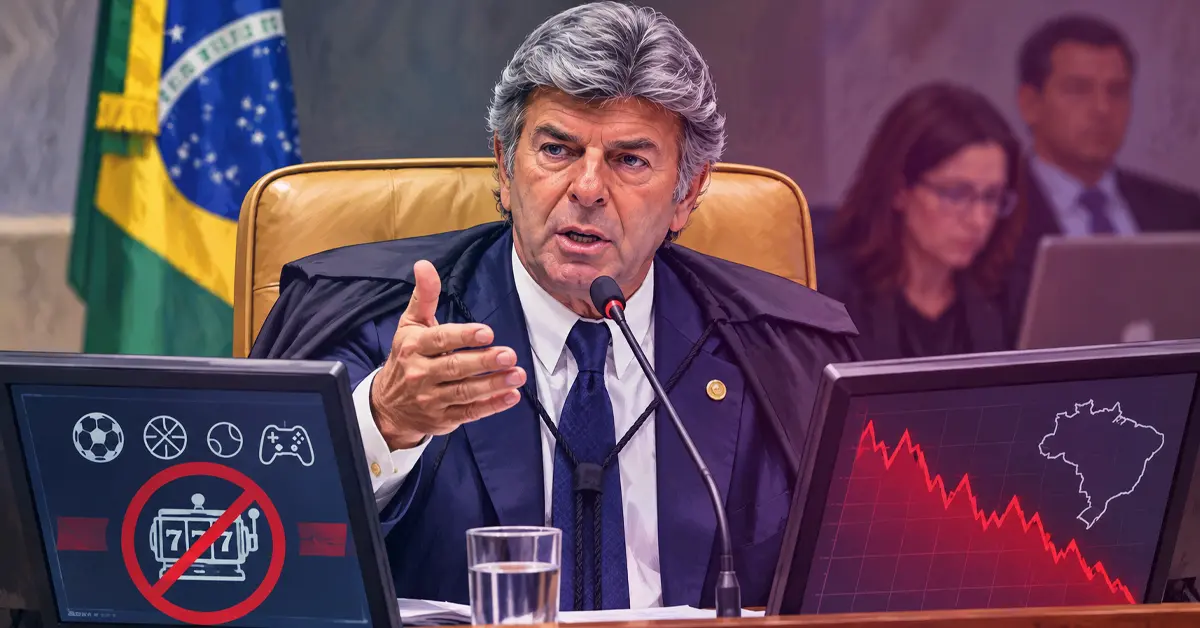
Representatives of 36 associations gathered at a public hearing convened by Supreme Federal Court (STF) Justice Luiz Fux on November 3 to discuss Provisional Measure (MP) 1,394/2026, which temporarily halted Brazil’s regulated fixed-odds betting market.
Government representatives defended the measure as a response to gaps in existing policies addressing consumer debt, gambling-related harm and alleged links between betting operations and organised crime.
Attorney General Jorge Messias argued that the government was entitled to reconsider its approach when its consequences proved harmful to society. He stated: “There is no inconsistency in correcting a choice when its effects prove socially harmful.”
Some of the figures presented during the hearing were challenged, including 2023 survey data used to estimate that 28 million people in Brazil participate in betting activities for public health assessments. Nevertheless, Health Minister Alexandre Padilha defended the prohibition, describing it as “the only and best solution”.
Sports Industry Warns of Financial Damage
Football clubs and sports organisations raised concerns about the financial consequences of suspending licensed betting operators.
Flamengo vice-president Flávio Willeman estimated that more than 1,200 jobs at the club could be affected, alongside approximately BRL 430 million in annual revenue.
Seeking to reduce the impact on football organisations, the Brazilian Football Confederation (CBF) proposed introducing a transition arrangement that would remain in place until the 2030 World Cup.
Industry representatives also challenged the effectiveness of the government's approach. Pietro Cardia Lorenzoni of the National Association of Games and Lotteries (ANJL) argued that removing licensed operators would not eliminate gambling activity. He also criticised the absence of compensation for companies losing their authorisations.
“A provisional measure cannot protect the federal government from the damage it causes itself,” Lorenzoni said.
Economist Erick Brasil, representing the Brazilian Association of Economic Freedom (ABLE), offered another perspective on the market's economic significance. He compared the industry's BRL 37 billion in gross income in 2025 with household consumption of approximately BRL 8 trillion, putting the former at less than 0.5% of the latter.
Fux Identifies Constitutional Issues for STF Review
At the conclusion of the hearing, Justice Fux said he had developed “the perception that betting companies should be banned”. However, he also outlined several legal questions that the Supreme Court would need to examine before reaching a decision.
These include legal certainty, the principle of non-retroactivity, legitimate expectations and whether the provisional measure meets the constitutional requirements of urgency and relevance.
Although no indication was given that the case would be considered by an appellate court, there were expectations that it could reach the full STF without unnecessary delay.
Fux also indicated that the justices would consider whether the effects of their eventual ruling should be adjusted, including the consequences for companies that had already received regulatory approval.
CDA Gaming Injunction Adds to Calls for Consistent Treatment
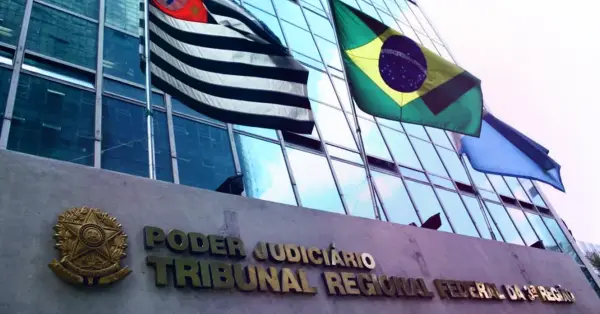
The dispute became more complicated on November 3 when TRF3 appellate judge Adriana Pileggi granted interim relief to CDA Gaming, which operates the Casino de Apostas, Betsul and Jogo Online brands.
The ruling protected the company's authorisation from suspension under MP 1,394/2026 until December 2029, corresponding to the stated validity of its licence.
CDA had paid BRL 30 million for its authorisation. Judge Pileggi argued that withdrawing the licence without reimbursement or compensation would amount to a “veritable confiscation”.
The decision applied exclusively to CDA and remained subject to review by the TRF3's Third Panel.
The case highlighted the possibility of unequal market conditions if individual operators secured judicial permission to continue operating while other previously licensed companies remained suspended.
Three Potential Outcomes for Brazil's Betting Market
The ongoing dispute leaves three possible paths for the country's regulatory framework.
1. STF intervention: The Supreme Court could suspend or limit the provisional measure, potentially restoring the previous legislation. However, outstanding questions concerning licence cancellations and concession payments would remain unresolved.
2. Congressional approval: Lawmakers could convert the measure into permanent legislation, potentially incorporating amendments to establish a transition period or compensation arrangements. At the time of the hearing, the joint committee responsible for reviewing the proposal had not yet been established, despite 99 amendments having been submitted.
3. Expiry of the provisional measure: If no vote takes place, the measure could lapse and the previous legislation would regain effect under constitutional procedures. However, actions taken while the provisional measure was in force would remain subject to its provisions unless Congress adopted a separate legislative decree within the applicable period. Consequently, licence revocations would not automatically be reversed.
Legal Certainty Becomes Central to Investor Confidence
For investors, the central concern is increasingly the predictability of Brazil's regulatory environment rather than simply whether betting will ultimately be permitted or prohibited.
A major issue involves the BRL 2.55 billion in licensing fees paid by 85 companies before their authorisations were withdrawn on October 25. How the government and courts address these payments could have significant implications for confidence in Brazil's regulatory system.
Companies affected by the suspension may need to maintain their compliance arrangements and document potential losses in case they become eligible to seek compensation.
Meanwhile, the industry faces pressure to develop a coordinated proposal for a transition framework that addresses the consequences of the regulatory changes.
Until the STF and Congress clarify the legal position, Brazil's betting sector is likely to remain exposed to uncertainty over licences, financial obligations and the future conditions under which operators may return to the market.

iGamist Editorial Team
An experienced writer covering the latest trends in online gaming and iGaming industry.
Stay Updated
Get the latest iGaming news and guides delivered to your inbox