Brazil TRF3 Suspends Casa de Apostas’ Betting Operations
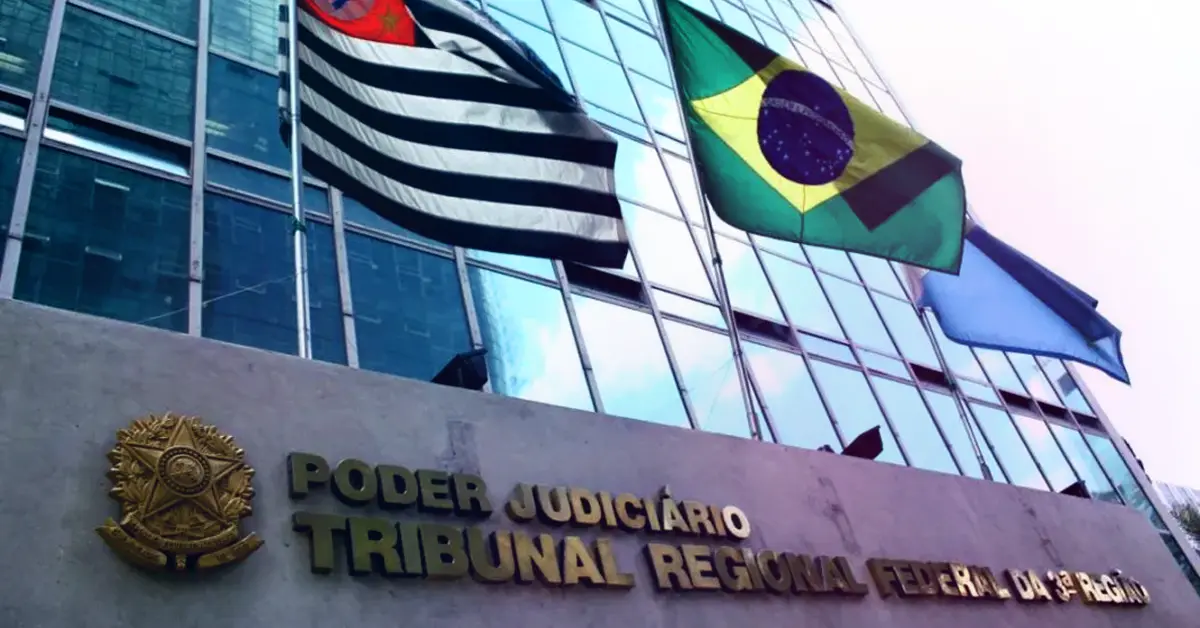
Federal Appellate Judge Luis Antonio Johonsom di Salvo, president of Brazil’s Federal Regional Court of the Third Region (TRF3), has suspended an earlier injunction that allowed CDA Gaming Ltda to restart its fixed-odds betting operations in the country.
The decision was issued on Friday, November 6, at 6:37 p.m., following a request from the federal government to extend the effects of a previous ruling involving Stake.
CDA Gaming owns the Casa de Apostas brand. The company had obtained interim relief from the TRF3’s Third Panel under Appeal No. 5034200-15.2026.4.03.0000. That ruling temporarily blocked the cancellation of its authorisation, granted under SPA/MF Ordinance No. 255/2025, in response to restrictions introduced by Articles 4 and 7 of Provisional Measure No. 1,394/2026 and a notice from the Ministry of Justice’s Secretariat for Digital Rights.
Before the initial injunction, Casa de Apostas was the only one of CDA Gaming’s three brands still operating. Following the removal of licences on October 25, its website, casadeapostas.bet.br, remained the sole regulated betting platform active in Brazil.
The latest TRF3 ruling has now removed that exception, leaving the country without an operating federally authorised betting platform.
TRF3 Cites Public Interest and Regulatory Authority
A central issue addressed in Di Salvo’s decision was the concept of horizontal jurisdiction, concerning whether one judge within a court can suspend a ruling issued by another judge at the same level.
The president acknowledged that the Special Court of Brazil’s Superior Court of Justice had taken a firm position against this interpretation. However, he argued that the Pileggi ruling had been issued individually and could be reviewed through an internal appeal without requiring consideration by the full Third Panel.
Di Salvo stressed that the suspension procedure did not allow him to reassess the legal reasoning behind Pileggi’s original decision. Instead, his intervention was based on the public interest, the possibility of serious damage to public order and the need to give collective interests precedence over private ones.
The judgment describes MP No. 1,394/2026 as part of a public policy framework intended to prioritise consumer and bettor protection, which should be applied consistently.
Di Salvo warned that granting comparable injunctions to other operators could create a multiplying effect, prolonging regulatory uncertainty and undermining the consistent administration of a nationwide policy.
He also referred to Article 20 of Brazil’s Law of Introduction to the Rules of Brazilian Law (LINDB), which requires judges to consider the practical consequences of their decisions.
Regulatory Dispute Raises Questions About Bettor Protection
The latest ruling follows the legal dispute involving Stake and the federal government’s challenge to the provisional measure. Di Salvo noted that the legality of the measure remains under consideration by Brazil’s Federal Supreme Court (STF), meaning lower courts should not pre-empt the Supreme Court’s decision.
The suspension will remain effective until the underlying case reaches a final resolution or the court presidency issues a further ruling.
However, the removal of all regulated betting platforms raises questions about the availability of consumer safeguards. Before October 25, licensed operators were required to implement identity verification, deposit limits, self-exclusion measures, protections against underage gambling and complaint channels accessible to the regulator.
With licences suspended and the latest injunction overturned, those protections are no longer available through an operating regulated betting platform.
The legal disagreement is expected to continue until the STF addresses the relevant constitutional and regulatory questions. On November 4, the Supreme Court grouped the challenges against MP No. 1,394/2026 under ADPF 1212, alongside direct actions concerning Law No. 14,790/2023 and Extraordinary Appeal No. 966177. No hearing date has been announced.
CDA Gaming Has Five Days to Challenge the Suspension
CDA Gaming has five days to contest Di Salvo’s decision through an internal appeal. However, Article 15 of the Mandamus Law cited in the judgment provides that filing an appeal does not automatically suspend the effects of the ruling.
Separately, the company’s original interlocutory appeal remains before the TRF3’s Third Panel, which has yet to issue a decision on its merits.
The federal government could seek similar extensions if other operators obtain injunctions allowing them to resume operations. The TRF3 has already considered additional cases involving comparable legal arguments.
For now, federally regulated betting activity in Brazil remains suspended, with no confirmed timetable for its return. The ongoing dispute over the legal status of betting operations continues to create uncertainty for consumers trying to distinguish authorised services from illegal platforms.

iGamist Editorial Team
An experienced writer covering the latest trends in online gaming and iGaming industry.
Stay Updated
Get the latest iGaming news and guides delivered to your inbox