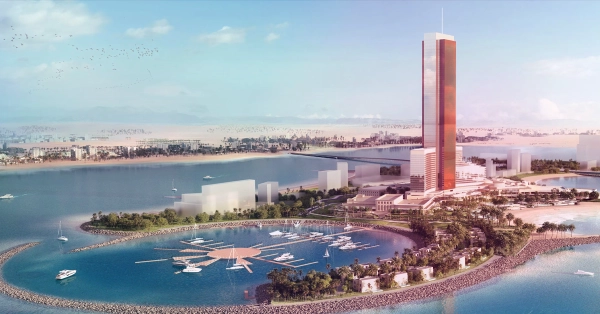
MGM Osaka Project Advances Toward 2030 Launch

MGM Resorts International has confirmed that development of its integrated resort in Osaka is progressing as planned, with visible construction milestones already achieved at the MGM Osaka site. The project is expected to become Japan’s first licensed casino resort upon completion in 2030.
Located on Yumeshima Island, the development is estimated to cost around $10 billion and will include hotels, convention space, entertainment facilities and a casino. MGM is working alongside Orix Corporation, with both partners holding equal stakes of 40% in the venture.
Company updates indicate that more than 40% of foundation piling has been completed, while the first concrete floor has been finished and initial steel structures are now in place. These developments point to steady advancement in line with the project timeline.
MGM stated that it will act as the sole operator and license holder once the resort becomes operational, positioning the development as a key component of its long-term growth strategy.
In terms of financing, the company expects to allocate between $200 million and $225 million to the project this year, following an initial $140 million investment in the first quarter. Funding is largely supported by a yen-denominated credit facility secured in 2025, allowing MGM to continue construction without immediate capital pressure.
Chief Executive Officer Bill Hornbuckle highlighted Japan’s market potential, pointing to a population exceeding 120 million and annual international visitor numbers of around 40 million. These factors remain central to the company’s outlook for the project.
From an investment perspective, analyst David Bain has estimated that MGM’s Japan resort could be worth approximately $9 per share. The update contributed to a modest rise in MGM’s share price following the release of its first-quarter results.
As construction continues to move forward, MGM Osaka remains a major focus within the company’s global development pipeline, with current progress supporting its planned launch at the end of the decade.

iGamist Editorial Team
An experienced writer covering the latest trends in online gaming and iGaming industry.
Stay Updated
Get the latest iGaming news and guides delivered to your inbox