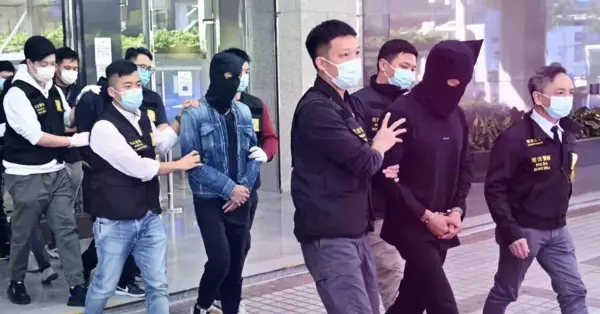
Philippines Warns Illegal Offshore Gaming Could Resurge
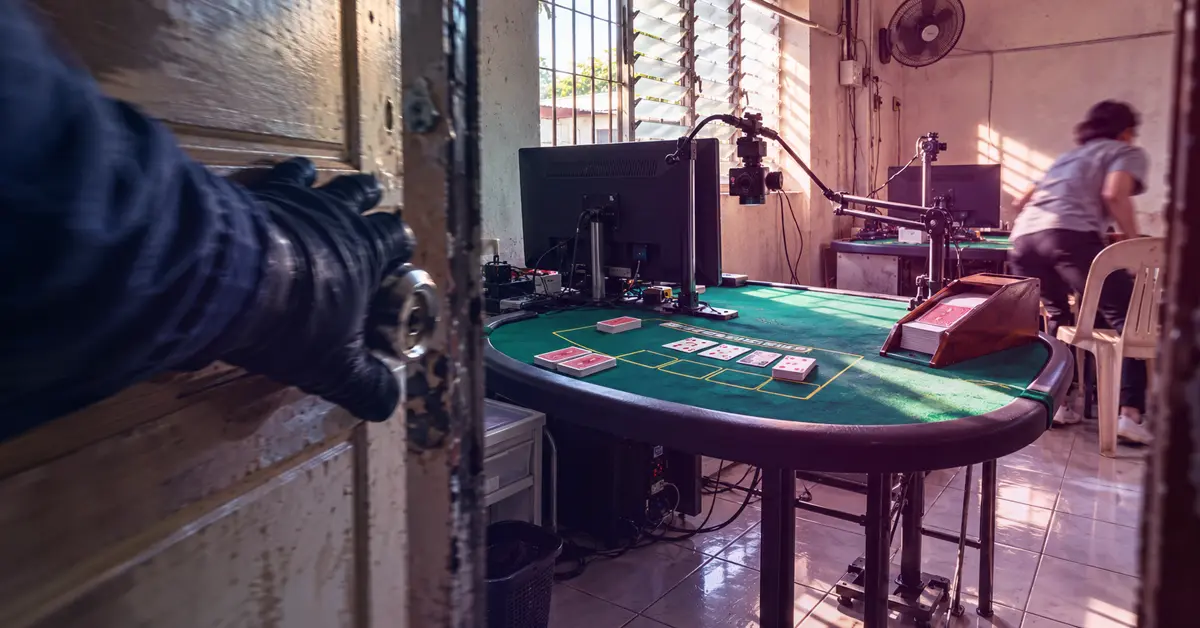
The Philippine Department of Justice (DOJ) has cautioned that illegal offshore gaming operations could re-emerge despite the nationwide prohibition, as operators shift into smaller premises to evade law enforcement.
Authorities are broadening their focus beyond shutting down gambling sites to examine the security networks, immigration arrangements and property leases that may enable illegal businesses to continue.
Justice Undersecretary Nicholas Felix Ty said enforcement operations had dismantled large gaming compounds made up of multiple buildings. However, the closure of these facilities has not necessarily stopped the activities. Some operators have reportedly reorganised into smaller, decentralised units, including businesses running from individual rooms in residential properties.
Smaller Operations Complicate Enforcement
The nationwide ban is established under the Anti-POGO Act of 2025. Despite the prohibition, the DOJ says illegal operators have adapted their methods to avoid the large-scale raids previously directed at gaming compounds.
Recent enforcement actions have uncovered smaller operations, including those confined to a single room inside a residential property. Rather than operating from large, centralised facilities, syndicates have reportedly split into smaller groups that continue sharing infrastructure.
This decentralised approach makes the businesses more difficult to identify through conventional surveillance and standard police raids. Although authorities have dismantled major compounds, smaller locations may allow illegal activities to persist with less visibility.
The DOJ’s concerns therefore extend beyond the continued presence of individual operations to the possibility that the wider illegal gaming sector could regain a foothold.
Immigration Arrangements Come Under Review
Ty said recent raids had uncovered operations primarily run by Chinese nationals who had entered the Philippines through visa loopholes or remained in the country after their permits expired.
Authorities are examining immigration arrangements alongside the premises used by illegal gaming businesses. The enforcement strategy aims not only to close unauthorised establishments but also to address the conditions that allow their operators to remain active.
The reported use of visa loopholes and overstayed permits has become another area of concern as businesses move away from large compounds into less conspicuous locations.
Dismissed Police and Military Personnel Investigated
The Department of the Interior and Local Government and the Philippine National Police are also pursuing allegations that dismissed police officers and military personnel have been recruited to provide security for clandestine operations.
Investigators are examining claims that these individuals were hired to protect illegal gaming sites and shield them from inspections.
The allegations bring the security arrangements surrounding smaller operations into the wider enforcement effort, as authorities seek to identify the networks supporting unauthorised businesses.
Landlords Could Face Legal Consequences
Property owners and managers are another target of the government’s scrutiny. Commercial landlords who knowingly rent premises to unauthorised online gaming or scam operations could face legal liability under applicable anti-trafficking laws.
Possible consequences include asset seizures.
The warning places greater emphasis on the role of property arrangements in sustaining illegal activities, with potential liability extending beyond the operators themselves to those who knowingly provide them with premises.

iGamist Editorial Team
An experienced writer covering the latest trends in online gaming and iGaming industry.
Stay Updated
Get the latest iGaming news and guides delivered to your inbox