India Supreme Court Expands State Gaming Powers
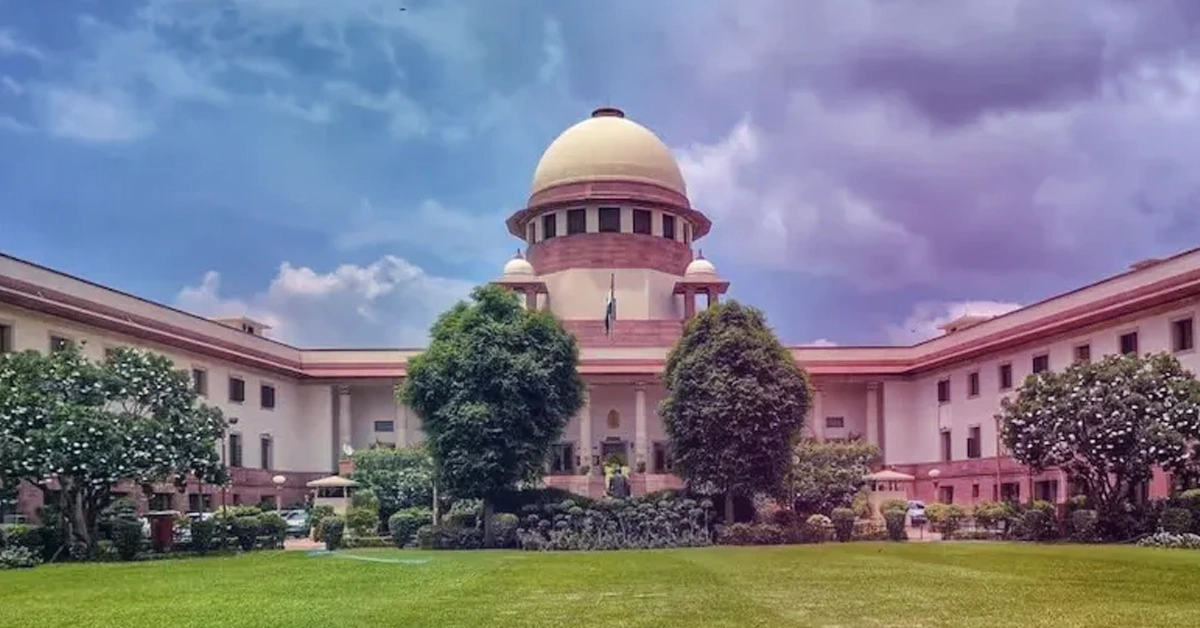
India’s online gaming sector has suffered a significant legal development after the Supreme Court ruled that individual states retain the power to regulate, restrict or prohibit online gaming within their own jurisdictions, despite the introduction of the federal Promotion and Regulation of Online Gaming Rules (PROGA) 2026.
The judgment comes shortly after the central government began rolling out PROGA as a nationwide framework designed to standardise oversight of the rapidly expanding online gaming market. Instead of resolving jurisdictional uncertainty, the reform has triggered renewed debate over the balance of power between federal and state authorities.
States Retain Regulatory Authority
The case was largely driven by petitions from Tamil Nadu and Karnataka, two states that have previously taken a stricter stance on online gaming, particularly real-money formats such as rummy and poker.
State governments argued that PROGA should not override their constitutional authority to act in the interest of public welfare. They maintained that online gaming falls within areas where states are empowered to intervene when necessary.
The Supreme Court agreed with this position.
A bench comprising Justices J.B. Pardiwala and R. Mahadevan held that states continue to possess legislative competence in matters linked to public order and consumer protection. This includes the ability to impose restrictions on online gaming where deemed necessary.
The ruling effectively overturns earlier High Court decisions in Madras and Karnataka that had limited state-level control over the sector.
Existing State Laws Regain Force
As a result of the judgment, previous regulatory measures introduced by Tamil Nadu in 2021, along with amendments to Karnataka’s police legislation, have regained legal validity.
Those frameworks had targeted online betting platforms, gambling services and certain real-money gaming products, but were previously challenged in court and left in a state of uncertainty.
The Supreme Court’s ruling now restores their enforceability, particularly in relation to consumer protection concerns and the risks associated with real-money gaming participation among younger users.
Growing Pressure on Real-Money Gaming
The decision adds to a series of recent legal developments impacting India’s real-money gaming industry.
In a separate ruling issued shortly before this case, the Supreme Court upheld the government’s application of a 28% Goods and Services Tax on real-money gaming operators, including retrospective enforcement. Industry stakeholders had warned that such measures could significantly affect business sustainability.
The court also reinforced the position that, for taxation purposes, distinctions between games of skill and chance carry limited relevance once monetary stakes are involved.
Fragmented Regulatory Landscape Ahead
India continues to be one of the fastest-growing online gaming markets globally, but the regulatory environment is becoming increasingly decentralised.
While PROGA was intended to create a unified national structure, the Supreme Court’s ruling confirms that states may adopt their own regulatory approaches alongside federal rules.
This is expected to result in a fragmented compliance landscape, where operators must navigate varying restrictions and enforcement policies across different states, rather than operating under a single national framework.

iGamist Editorial Team
An experienced writer covering the latest trends in online gaming and iGaming industry.
Stay Updated
Get the latest iGaming news and guides delivered to your inbox